Ferrari crisis: Vasseur loses authority and the team pays the price
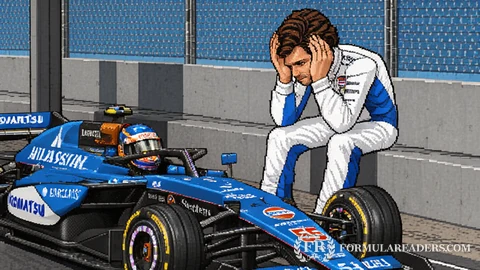
The crash in Las Vegas left Hamilton seventh and Leclerc tenth after a ten-second penalty, exposing internal management failures. The leadership delegates the solution to Vasseur, but the lack of clear hierarchy threatens to escalate in 2027.
 Formula Readers newsroom · 4 min read
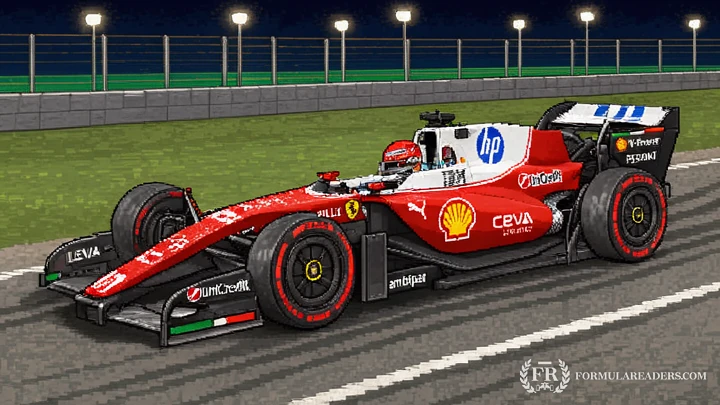
At the Las Vegas GP, Charles Leclerc ignored a team order not to attack Lewis Hamilton and caused contact that sent the Briton into the grass. Leclerc received a ten-second penalty and finished tenth, while Hamilton recovered to seventh place. This incident marks the second clash between teammates in the last three races, following incidents in Mexico and Monza.
Ferrari’s management, led by John Elkann and Benedetto Vigna, decided not to intervene publicly and delegated conflict management exclusively to Frédéric Vasseur. The company seeks an internal solution without breaking contracts or imposing rigid rules like 'Mercedes 2016', trusting that the team principal will restore order before the Qatar GP.
The cost of internal anarchy
The lack of a clear hierarchy has turned every dispute into a risk for the team’s results. In Las Vegas, the incident between Charles Leclerc and Lewis Hamilton resulted in both finishing outside the top positions, with Hamilton seventh and Leclerc tenth after receiving a 10-second penalty. Vasseur admitted his frustration and powerlessness, describing the behaviour as unacceptable and acknowledging that previous conversations in São Paulo had no effect.
The problem extends beyond the track: there are technical disagreements between the drivers regarding the direction of car development. Leclerc prioritises a more aggressive setup for qualifying, while Hamilton seeks stability for race pace. This technical divide fuels personal tension and makes it difficult for the team to unify its development strategy.
Pressure on Vasseur and the future
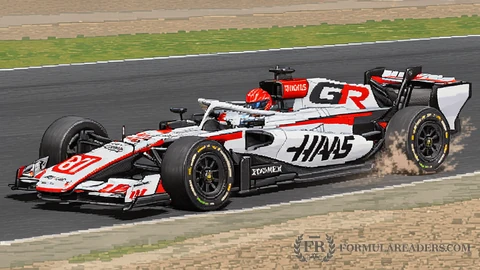
Vasseur faces a silent ultimatum. Although Hamilton’s contract runs until 2027, the Italian press and experts such as Guenther Steiner question Ferrari’s management. The proposal to demote Leclerc to Haas reflects the search for a measure that works where words have failed.
Hamilton denies having asked to be the number one driver, but points out that Ferrari did not provide the necessary support to overcome Kimi Antonelli at key moments. With two races remaining, the focus is on closing the constructors’ championship, while analysts warn that the situation could become more explosive in 2027 if the car is competitive.
Our reading
Ferrari management's decision not to intervene directly is a strategic error that shifts all the pressure onto Vasseur. By refusing to establish a clear hierarchy or strict rules, the team allows individual egos to prevail over the collective. The 'peace' announced by Vigna is fragile because it fails to address the root causes: technical competition and a lack of firm leadership.
If Ferrari wants to fight for the title in 2027, it must choose a leader or impose immediate discipline. The current situation is unsustainable; every incident costs points and confidence. Vasseur needs to demonstrate real authority, not just mediation, or he will see his position become untenable before the board of directors.