- Vanwall, the first champion (1958)
- The "garagistes" (1959–1978)
- How much it cost to compete (1959–1978)
- A winning engine for sale (1967–1968)
- The sponsors’ colours (1968)
- FOCA, FISA and the Concorde Agreement (1980–1981)
- Manufacturers leaving; Mercedes returns (2008–2010)
- The cost cap (2021–2026)
- Entering and buying a team (2025–2026)
Vanwall, the first champion (1958)
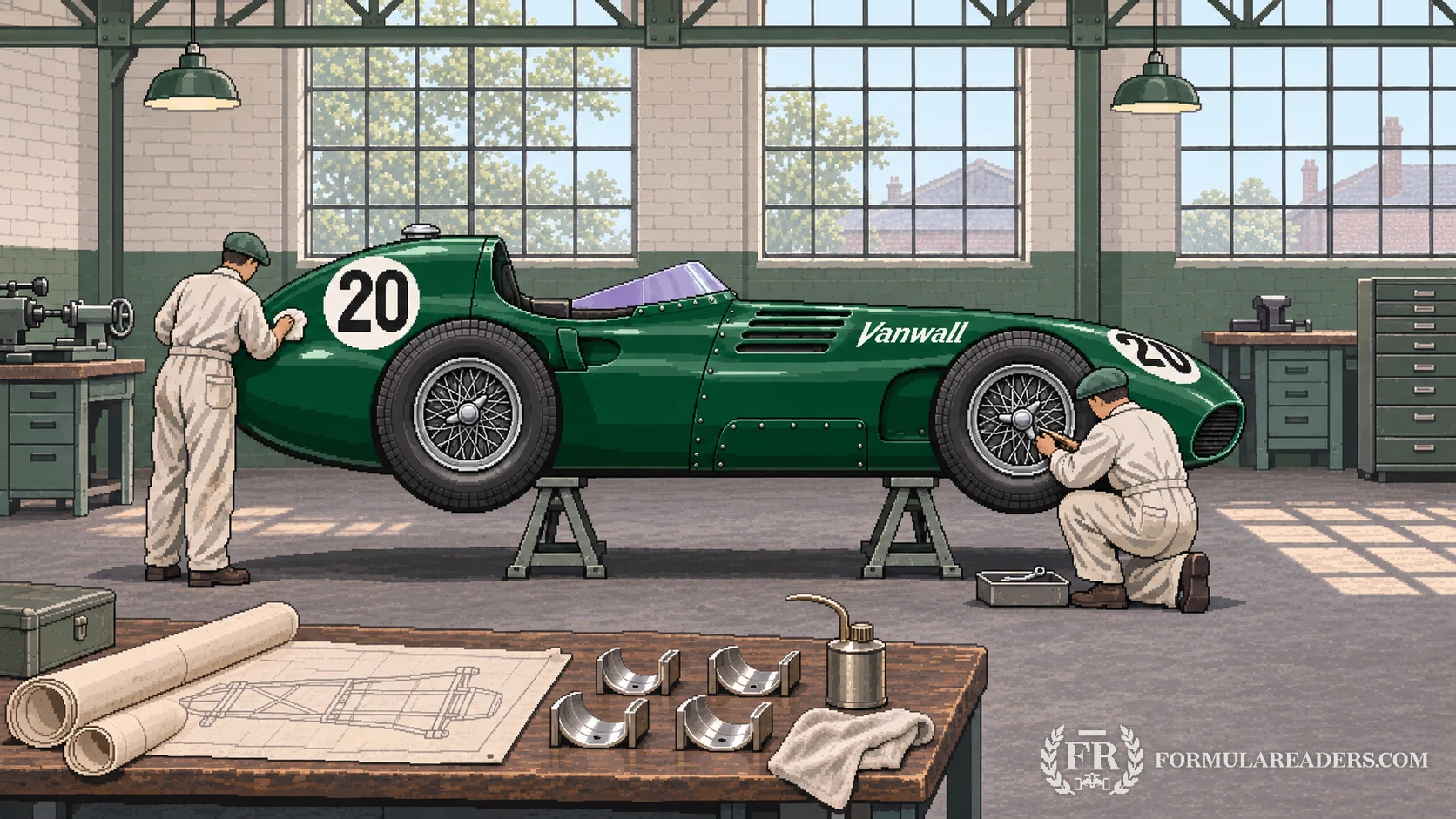
The Constructors' Championship began in 1958, after the Drivers' Championship, inaugurated in 1950. It was won by Vanwall, the team of British industrialist Tony Vandervell.
Vandervell manufactured Thinwall bearings. Colin Chapman designed the Vanwall chassis and Frank Costin its aerodynamic bodywork.
Stirling Moss and Tony Brooks each won three races in 1958. Vanwall beat Ferrari to the Constructors' Championship.
Sources: F1: Constructors' Champions · Motor Sport, October 1957
The "garagistes" (1959–1978)
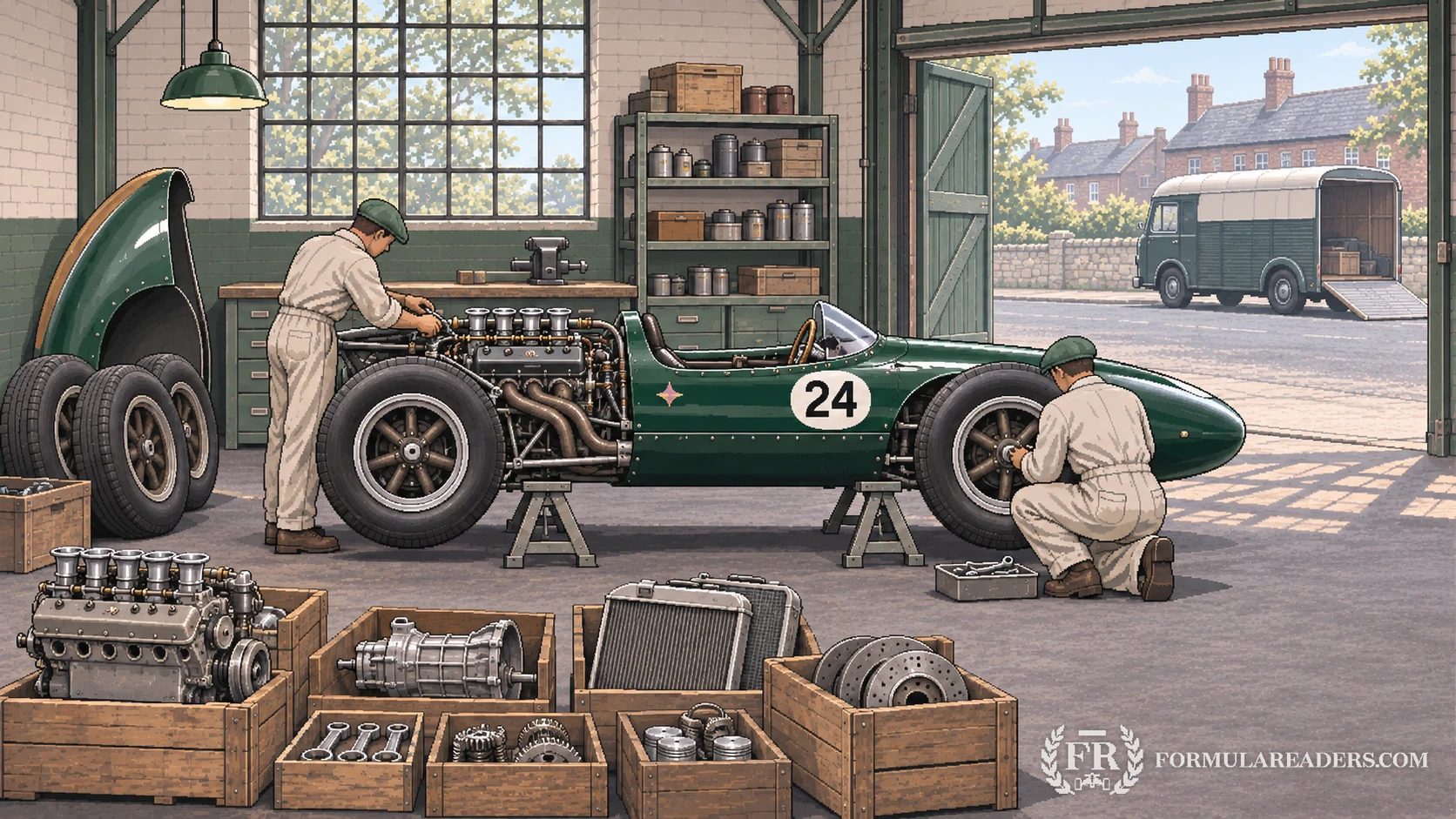
Enzo Ferrari called British constructors who assembled cars with components from various suppliers "garagistes". Cooper showed they could win.
With the engine behind the driver, Cooper won the Constructors' titles in 1959 and 1960. Jack Brabham won both Drivers' Championships.
Brabham later founded his own team and won the Drivers' title in 1966. His team won the Constructors' title in 1966 and 1967; Lotus secured seven between 1963 and 1978.
Sources: F1: the term "garagistes" · F1: Cooper, Brabham and Lotus · F1: Constructors' titles
How much it cost to compete (1959–1978)
Motor Sport calculated the budget of the official Cooper team at £40,000 in 1959. John Cooper recalled that in 1960 they built a complete car for around £4,000.
John Surtees said he budgeted £24,000 in 1970 to build his first car. The total budget of his team, which also raced in F2, was around £180,000 in 1972.
Patrick Head recalled that Williams had around £350,000 in 1978 to compete with one car. These are specific cases, not a common cost for the entire grid.
Sources: Motor Sport: John Cooper, 1997 · Motor Sport: John Cooper on 1960 · Motor Sport: John Surtees, 2007 · Motor Sport: Patrick Head
A winning engine for sale (1967–1968)
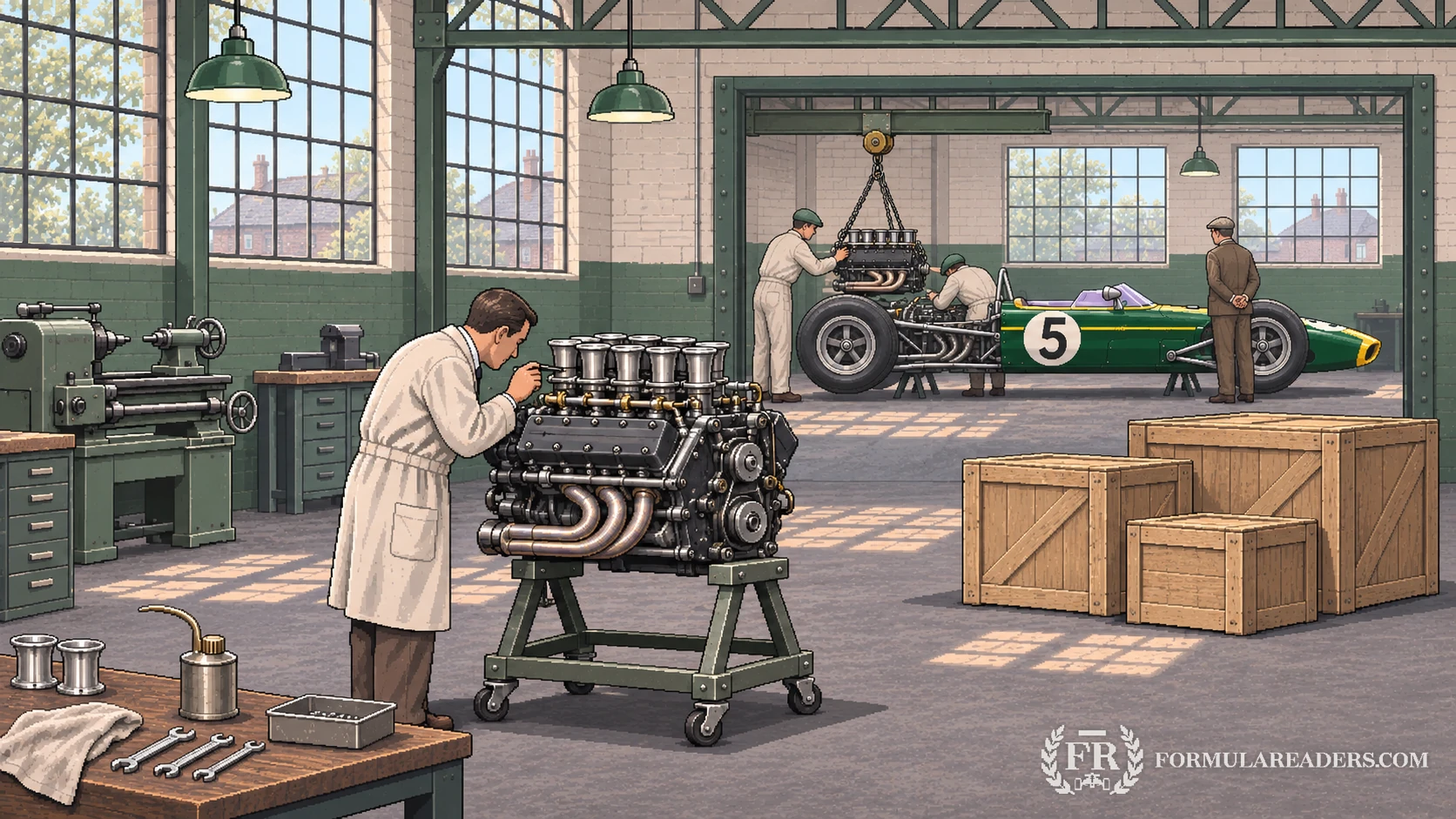
The Cosworth DFV debuted with Lotus in 1967. Mike Costin recalled that Ford contributed £75,000 in 1967 to develop it and £25,000 for another research engine.
In 1968 Cosworth began selling the DFV to other teams for £7,500 at that time. A constructor could buy the engine and design their own chassis.
Motor Sport recorded a price of £15,910, plus tax, for a new DFV in 1978. The sale of engines helped sustain independent teams.
Sources: Motor Sport: interview with Mike Costin · Motor Sport, August 1978
The sponsors’ colours (1968)
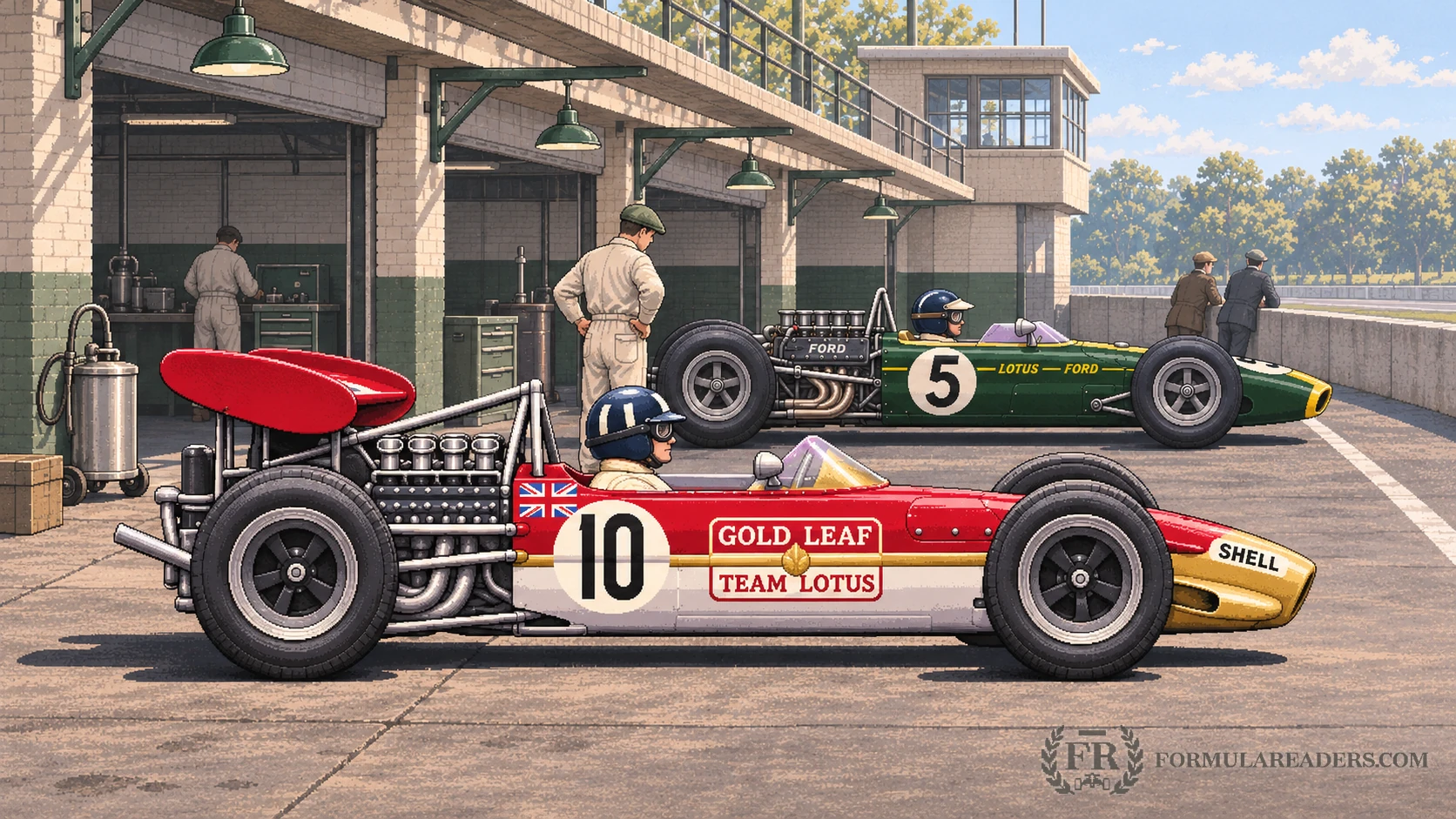
At the 1968 South African Grand Prix, John Love and Sam Tingle raced cars entered by Team Gunston in that tobacco company's colours.
Lotus adopted Gold Leaf's red, white and gold in 1968. Chapman thus replaced the national colours used by the official team.
The deal with Gold Leaf was less than £100,000 in 1968, according to Motor Sport. The magazine estimates it covered approximately the cost of running Lotus.
Sources: Motor Sport: letter from Dieter Rencken · F1: Lotus colours · Motor Sport: Lotus funding
FOCA, FISA and the Concorde Agreement (1980–1981)
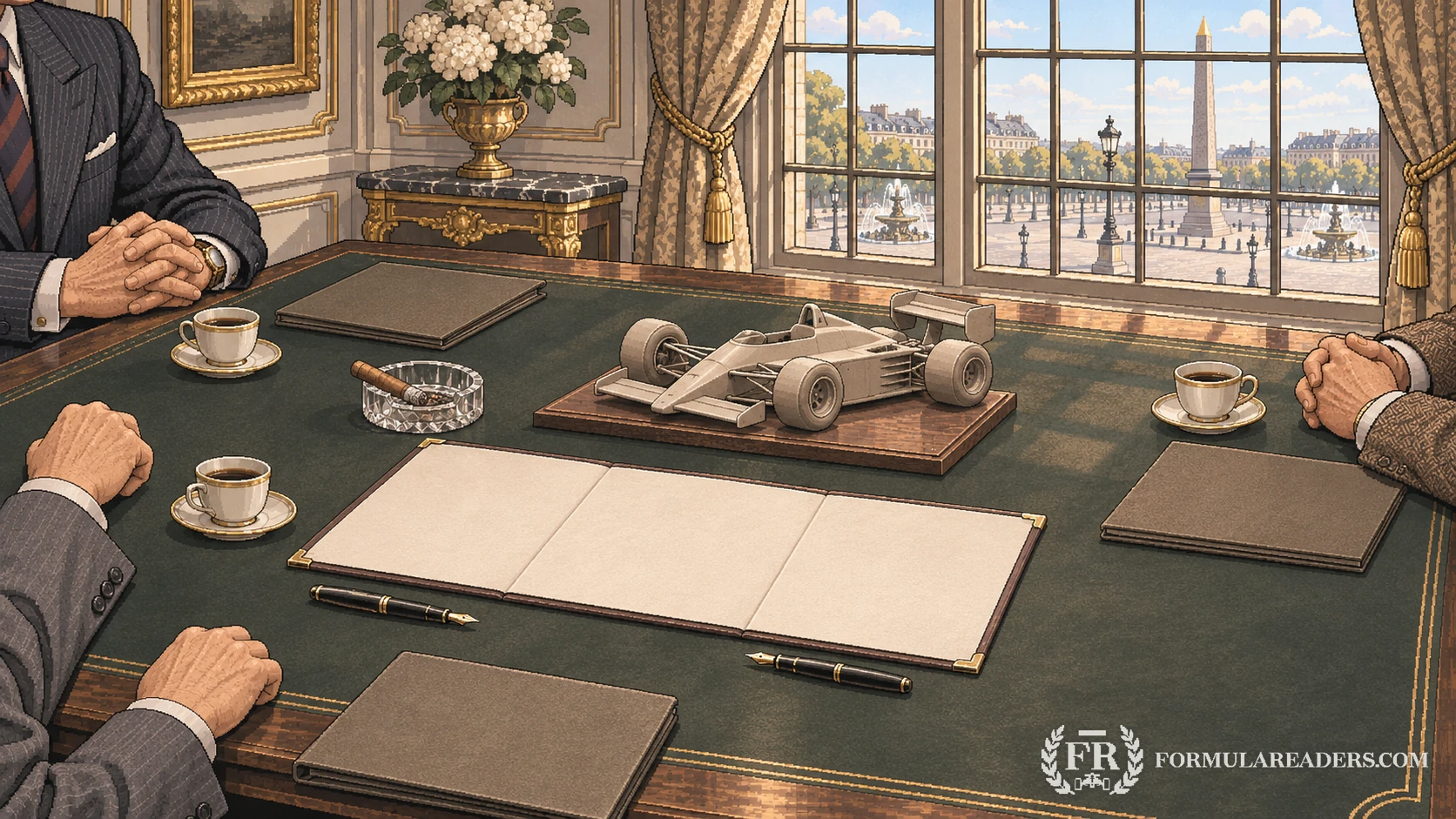
FOCA, a constructors' association headed by Bernie Ecclestone, contested with Jean-Marie Balestre's FISA for commercial and sporting control of Formula 1.
The dispute led to a race outside the official championship in South Africa in February 1981. FOCA teams participated, without the factory teams.
According to Motor Sport, the first Concorde Agreement was signed on 4 March 1981. It obliged teams to race and granted FOCA television rights.
Sources: Motor Sport: the South African GP and the signing · Motor Sport: television rights
Manufacturers leaving; Mercedes returns (2008–2010)
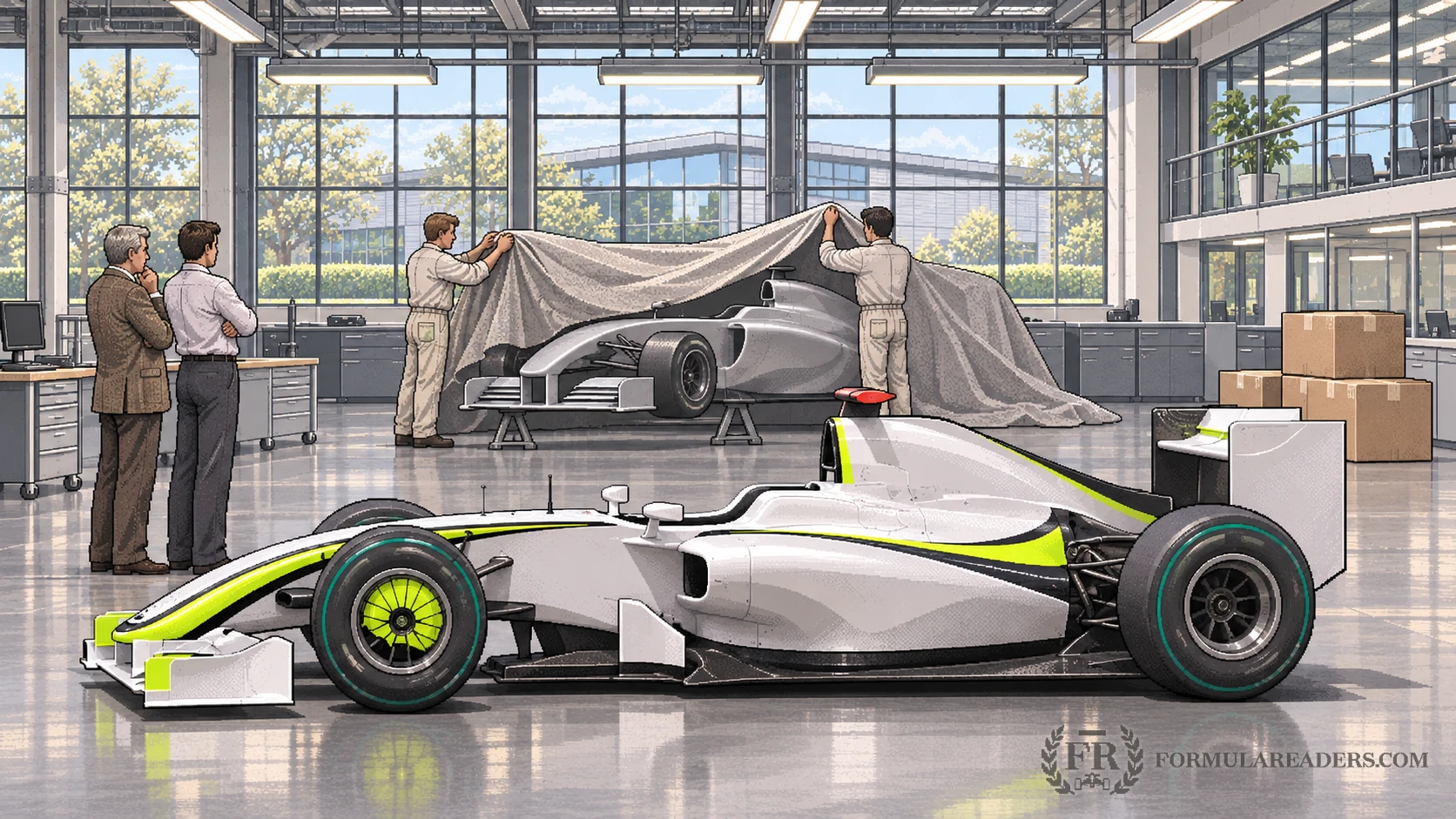
Honda withdrew at the end of 2008, during the financial crisis. Ross Brawn and Nick Fry took over the team; Honda provided funds for the transition.
As Brawn GP, it won the 2009 drivers' and constructors' championships. Daimler and Aabar acquired a majority stake; the team competed as Mercedes from 2010.
BMW announced in July 2009 its exit at the end of that season and allocated resources to new technologies. Toyota also announced its withdrawal at the end of 2009.
Sources: F1: history of Honda and Brawn · Mercedes-Benz: return of the works team · BMW: statement of 29 July 2009 · Toyota: statement of 4 November 2009
The cost cap (2021–2026)
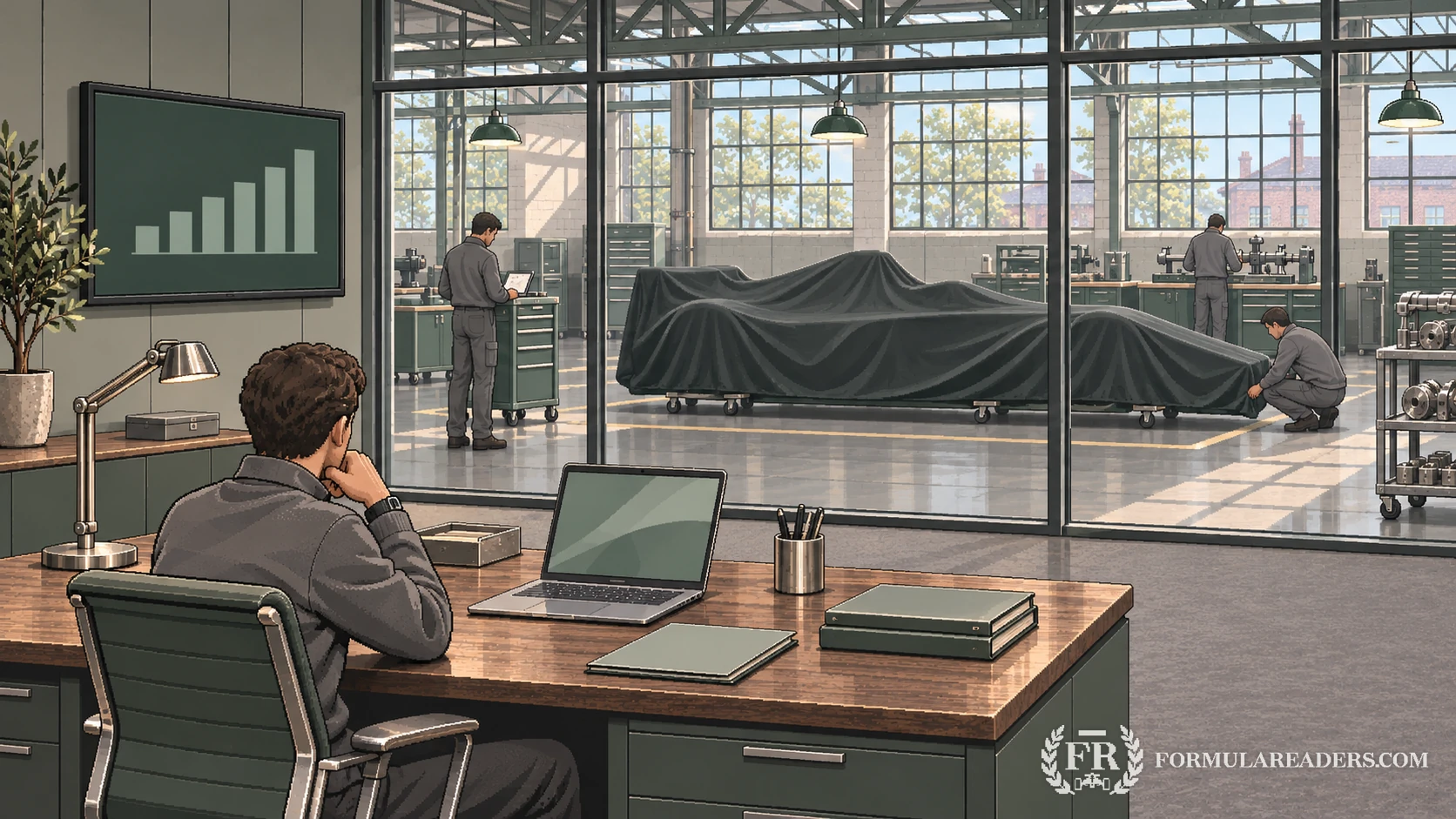
Formula 1 introduced a team cost cap in 2021. The base was US$145 million in 2021, US$140 million in 2022 and US$135 million from 2023.
For 2026, the FIA set a base of US$215 million if there are up to 24 Grands Prix, subject to regulatory adjustments.
The cap covers costs defined by the regulations, not all team expenses. The 2026 increase incorporates items previously excluded, according to Formula 1.
Sources: FIA: 2026 financial regulations, Art. D4 and D5 · F1: explanation of the cost cap
Entering and buying a team (2025–2026)
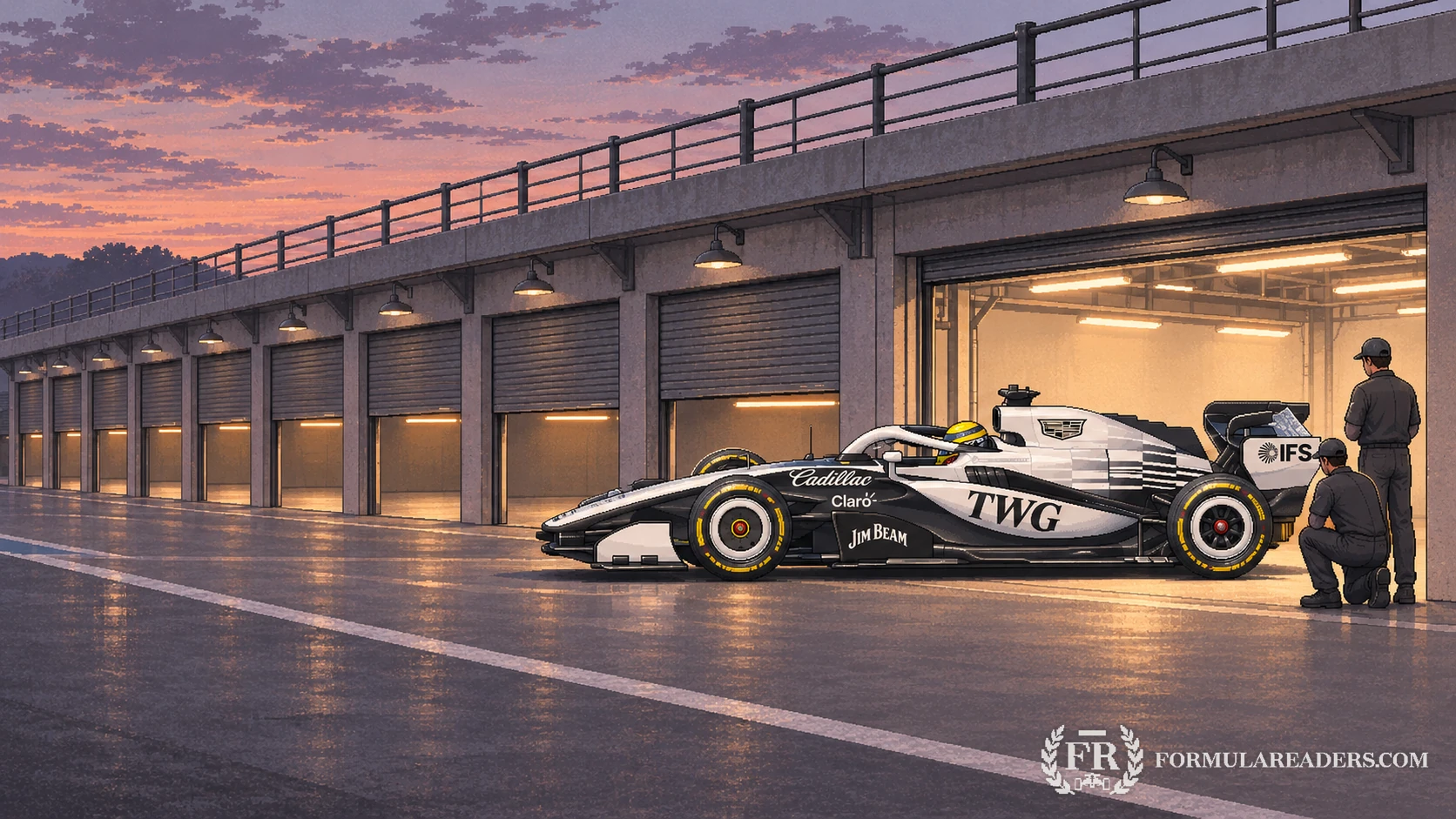
Cadillac obtained authorisation to enter as an eleventh team in 2026. Autosport reported that it agreed to pay an anti-dilution fee of US$450 million for 2026.
According to Forbes estimates for 2025, Ferrari was worth US$6.5 billion; Mercedes, US$6 billion; and McLaren, US$4.4 billion.
Forbes estimated that the lowest value among the ten teams assessed in 2025 was US$1.5 billion. These are valuations, not sale prices.
Sources: FIA and F1: Cadillac approval · Autosport: anti-dilution fee · Forbes Australia: 2025 values
The constructors' champions, year by year →




